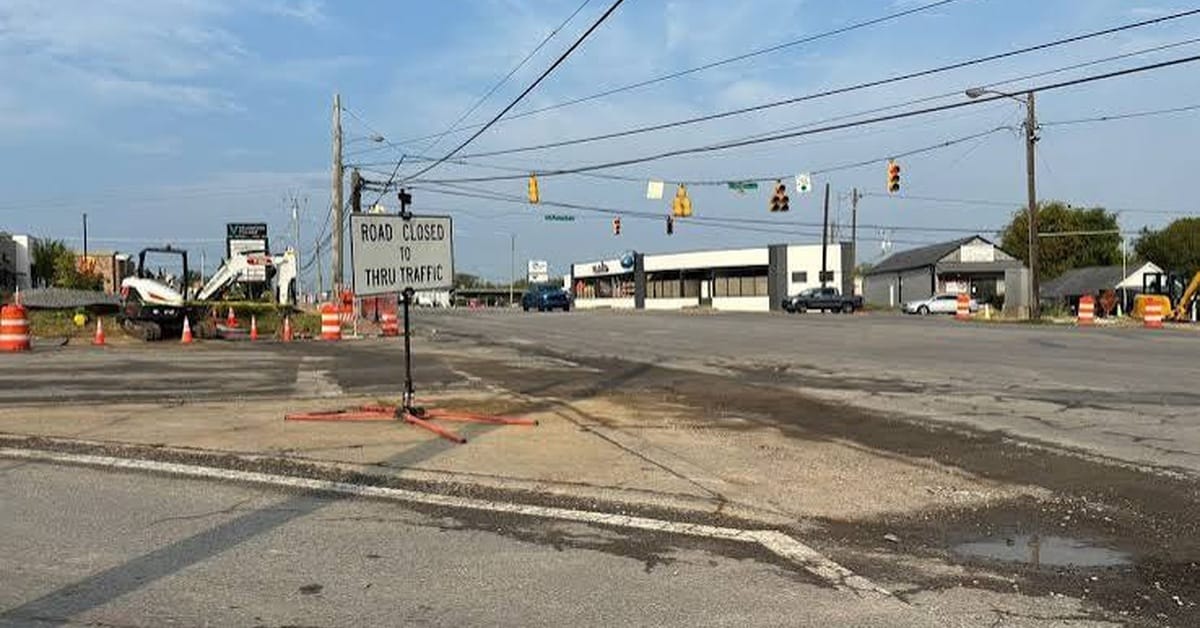
HENDERSONVILLE, Tenn. | October 20, 2026. Anyone who drives Walton Ferry Road or Old Shackle Island Road knows the orange barrels, changing lanes, and construction crews have become part of daily life. But what exactly is being built, how long will the disruption last, and will the finished project deliver a better drive?
HendersonvilleOnline reviewed the Tennessee Department of Transportation’s current project information, its October construction update, and regional transportation documents to answer five questions local drivers are asking.


1. Why Is Hendersonville Rebuilding Walton Ferry and Old Shackle Island?
The main issue is a long-standing, awkward intersection at West Main Street, also known as State Route 6 and U.S. 31E. Walton Ferry Road and Old Shackle Island Road currently meet Main Street at offset locations. That arrangement complicates turning movements and can contribute to congestion.
TDOT says the project will replace the offset layout with a conventional four-leg, signal-controlled intersection. It also aims to address growing traffic demand in this part of Sumner County. The agency reports a 2024 average of approximately 12,900 vehicles per day on the route, with a design-year projection of 16,510 in 2044.
For families heading to work, school, local businesses, or appointments, the promise is straightforward: a more predictable intersection with room for safer turns. Whether it feels noticeably faster during rush hour will become clearer only after the work is completed.
2. What Will the Roads Look Like When Construction Is Finished?
The project extends approximately one mile from Nokes Drive on Walton Ferry Road to Volunteer Drive on Old Shackle Island Road. Walton Ferry will be reconstructed as a three-lane roadway, with one travel lane in each direction and a dedicated center turn lane.
TDOT’s design also calls for paved shoulders striped as bike lanes, curb and gutter, and five-foot sidewalks on both sides. Near Main Street, new turn lanes and traffic signals will help organize movements through the redesigned intersection.
These changes are not just about cars. Sidewalks and marked bicycle space could make the corridor more usable for people who travel short distances without driving. However, residents will need to see the completed crossings and traffic patterns before judging how comfortable they are.
3. Which Roads Will Close, and When Should Drivers Expect Delays?
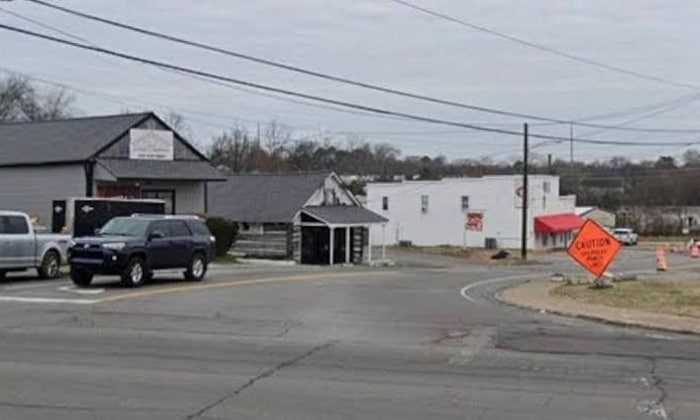
TDOT says traffic is generally reduced to one lane in each direction throughout the project, with intermittent closures. Temporary lane closures on Walton Ferry and Old Shackle Island roads are allowed from 9 a.m. to 3 p.m. Closures on West Main Street are allowed from 8 p.m. to 5 a.m. Side streets may also experience temporary flagging or short closures during certain construction phases.
The next significant disruption is expected in November 2026, when Old Shackle Island Road will close near the CSX railroad tracks between Volunteer Drive and Hunters Trail for railroad-related work. TDOT has not published a confirmed start date or duration in the information reviewed for this article. Drivers should not assume a particular detour until the agency announces one.
Construction activity and closures are weather dependent. Before leaving, drivers can check Tennessee SmartWay or dial 511 for current travel information.
4. When Will the Work End, and What Will It Cost?
Construction began in February 2025. TDOT currently lists an estimated completion date of May 2027. That is a target, not a guarantee, especially with utility coordination, railroad work, and weather still affecting the schedule.
The Nashville Area Metropolitan Planning Organization’s 2026–2029 transportation program lists a project cost of approximately $35.57 million. The project is funded through state and federal transportation sources, with funding details also reflected in regional programming documents. This is not the same as a newly announced $35.57 million local property-tax charge.
For taxpayers, the important question is whether the completed road delivers durable safety and traffic improvements that justify the investment. HendersonvilleOnline will continue watching the timeline and public updates.
5. Will the New Intersection Actually Improve Hendersonville Traffic?
TDOT expects the realignment, added turn lanes, and upgraded signals to improve safety and traffic operations. The design addresses a specific problem: two offset roads meeting a busy highway where turning traffic can be difficult to manage.
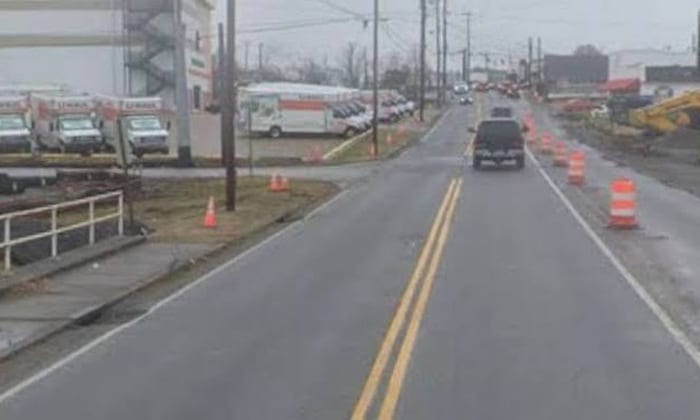
Still, an improved intersection cannot eliminate every traffic delay across Hendersonville. Population growth, nearby intersections, train activity, and peak-hour travel demand will continue to affect the experience. The strongest test will be what drivers observe after the intersection opens in its final configuration.
Local business owners may also have mixed feelings in the meantime. Construction can make access confusing and slow down customer trips, even when the long-term improvements are worthwhile. Clear signs, timely closure notices, and predictable access routes matter during every stage.
What Hendersonville Drivers Should Do Now
Allow extra travel time, watch for new traffic patterns, slow down near workers, and avoid making last-second lane changes. Be especially careful when approaching West Main Street and when traveling toward the railroad crossing as November approaches.
For project maps, official updates, and newsletter sign-up information, visit TDOT’s Walton Ferry Road/Old Shackle Island Road project page. HendersonvilleOnline welcomes reader experiences about delays, business access, and what improvements you most want to see.
Sources and Editorial Note
Sources: Tennessee Department of Transportation project page and October 2026 newsletter; TDOT lane-closure bulletin for October 25–31, 2026; Nashville Area MPO 2026–2029 Transportation Improvement Program; Hendersonville Standard reporting dated October 15, 2026. Images accompanying this article are illustrations, not documentary photographs of the work site.